🇵🇰🇮🇳 Independence Day Celebrations: A Deep Dive into Pakistan and India’s National Pride
Independence Day is more than just a date on the calendar — it’s a powerful symbol of freedom, resilience, and national identity. For Pakistan and India, two neighboring countries born from the same historical event in 1947, the way they commemorate their independence reveals much about their values, cultures, and aspirations. Though their paths diverged after partition, both nations continue to celebrate their sovereignty with passion and pride.
This article explores the similarities and differences in how Pakistan and India celebrate Independence Day, offering historical context, cultural depth, and a closer look at the traditions that define each nation’s spirit.
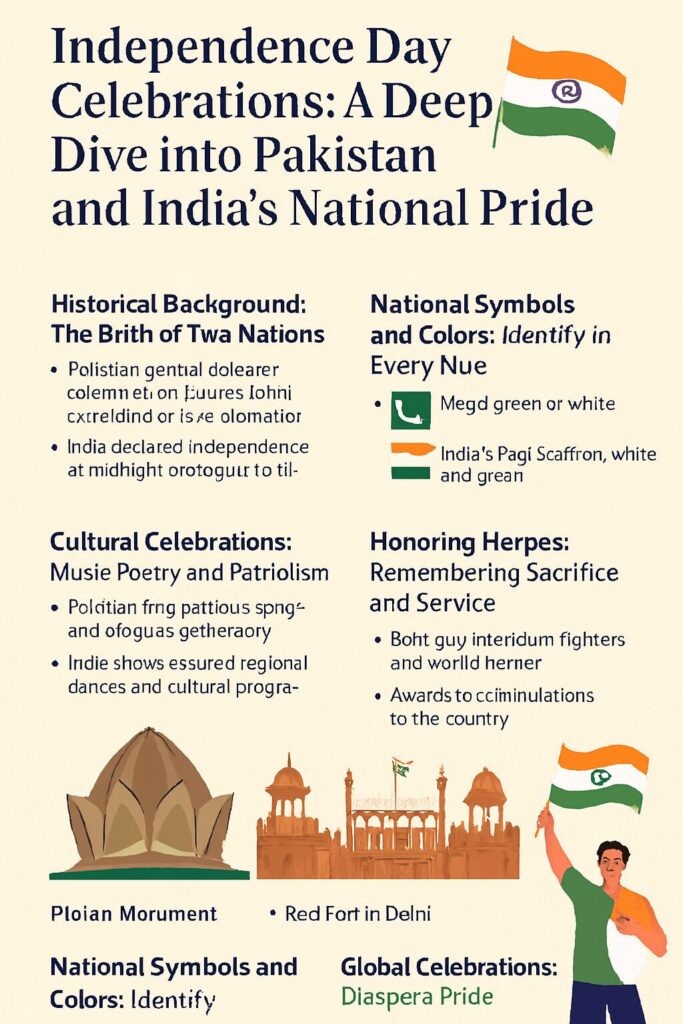
📜 Historical Background: The Birth of Two Nations
The end of British colonial rule in South Asia led to the creation of two independent states — Pakistan and India. The partition was a momentous and painful event, marked by mass migrations, communal violence, and the drawing of new borders.
- Pakistan officially gained independence on August 14, 1947, when the British transferred power in Karachi. The date coincided with the 27th night of Ramadan, a sacred night in Islam, adding spiritual significance to the occasion.
- India declared independence at midnight on August 15, 1947, with Jawaharlal Nehru’s famous “Tryst with Destiny” speech marking the birth of a secular, democratic republic.
Though the dates are just one day apart, they reflect different historical and symbolic choices. Pakistan’s date was chosen to align with religious sentiment and the timing of the power transfer, while India’s date was selected by the British to mark the end of their rule.
🏛️ National Ceremonies: Where the Heart of Celebration Beats
Both countries hold grand official ceremonies that serve as the centerpiece of their Independence Day celebrations.
🇵🇰 Pakistan
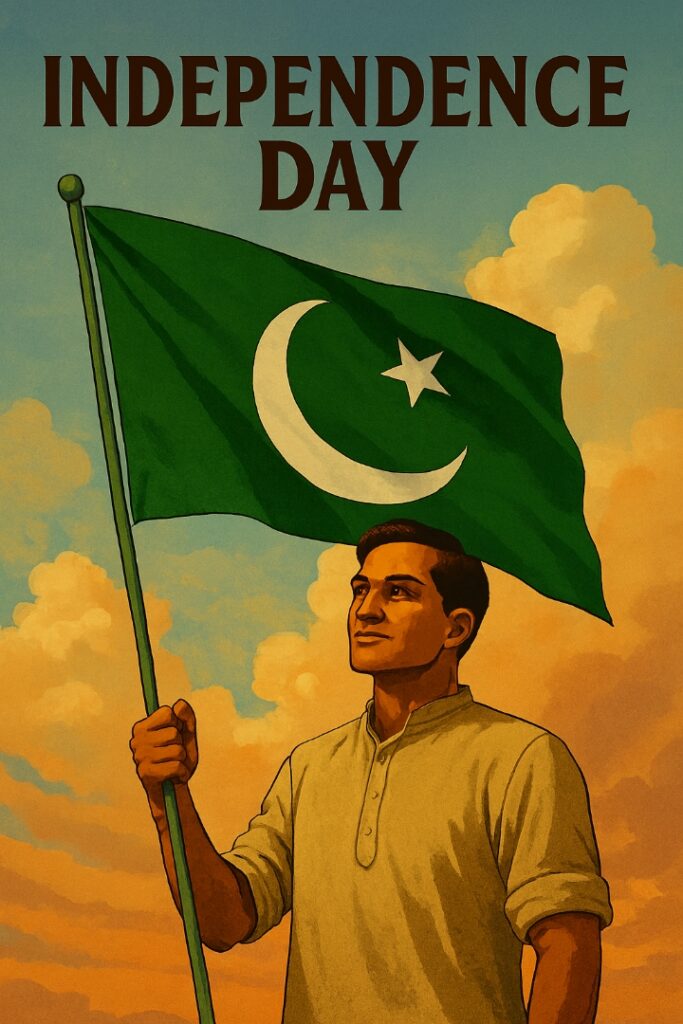
In Pakistan, the main event takes place at the Pakistan Monument in Islamabad. The Prime Minister hoists the national flag and delivers a speech that highlights national achievements, challenges, and the importance of unity. Military parades, air shows, and cultural performances are held across major cities, including Lahore, Karachi, and Peshawar.
Government buildings, streets, and homes are decorated with green and white lights, flags, and banners. Special prayers are offered for the country’s prosperity, and tributes are paid to the martyrs who sacrificed their lives for the nation.
🇮🇳 India
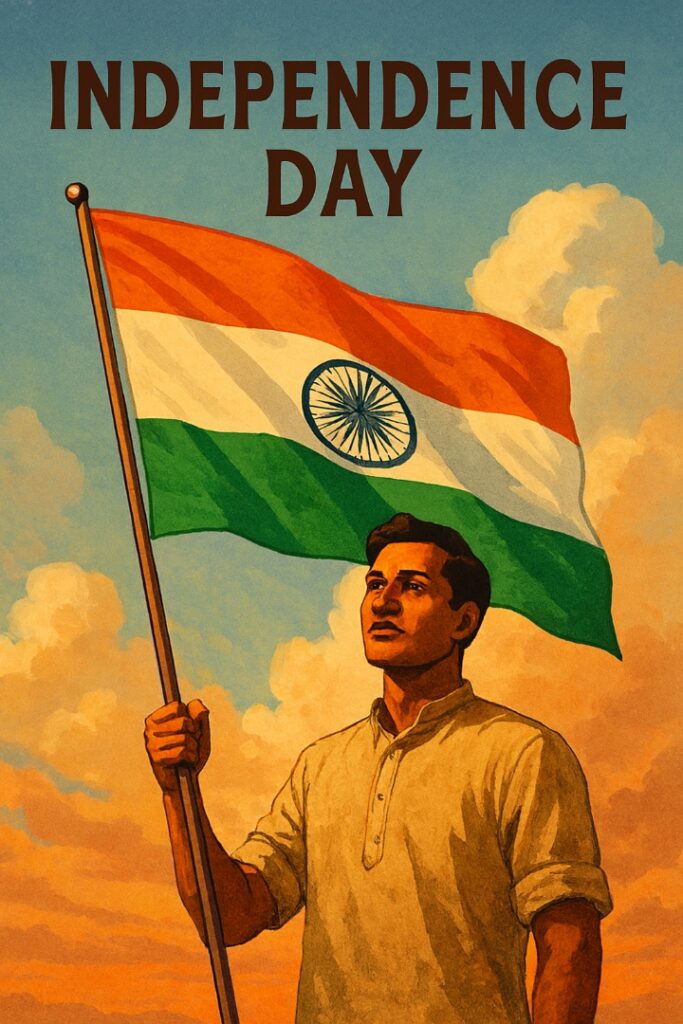
India’s central ceremony is held at the Red Fort in Delhi, a historic symbol of resistance and sovereignty. The Prime Minister hoists the tricolor flag and addresses the nation, reflecting on progress, governance, and future goals. The event is broadcast live and watched by millions across the country.
India also hosts a grand Independence Day Parade, showcasing the strength of its armed forces, cultural diversity, and technological advancements. Schools, colleges, and local communities organize flag-hoisting ceremonies, patriotic performances, and essay competitions.
🎨 National Symbols and Colors: Identity in Every Hue
Flags and colors play a vital role in expressing national identity and pride.
- Pakistan’s flag features a green field with a white vertical stripe and a crescent moon with a five-pointed star. Green represents the Muslim majority, while white symbolizes religious minorities and peace. The crescent and star reflect progress and light.
- India’s flag consists of three horizontal stripes — saffron at the top, white in the middle, and green at the bottom — with a navy blue Ashoka Chakra in the center. Saffron stands for courage and sacrifice, white for truth and peace, and green for growth and fertility. The Ashoka Chakra, with 24 spokes, symbolizes justice and the eternal wheel of law.
During Independence Day, these flags are proudly displayed on rooftops, vehicles, clothing, and public buildings. Citizens wear national colors, and children often paint their faces or wave miniature flags.
🎶 Cultural Celebrations: Music, Poetry, and Patriotism
Culture is at the heart of Independence Day celebrations, and both countries use music, poetry, and art to express their love for the nation.
Pakistan
Pakistan’s celebrations often include patriotic songs like “Dil Dil Pakistan” and “Jeevay Jeevay Pakistan,” which are played on television and radio. National poets such as Allama Iqbal are honored for their role in inspiring the freedom movement. Special television programs, documentaries, and dramas are aired to educate the public about the sacrifices made during partition.
Religious gatherings and Quran recitations are held to pray for peace and prosperity. In rural areas, traditional dances and folk music add a local flavor to the festivities.
India
India’s cultural celebrations are a vibrant mix of regional traditions, languages, and art forms. Patriotic songs like “Vande Mataram,” “Maa Tujhe Salaam,” and “Ae Mere Watan Ke Logon” are performed in schools and public events. Classical and folk dances from different states are showcased in parades and cultural programs.
India’s rich literary heritage is also highlighted, with speeches and readings from freedom fighters like Mahatma Gandhi, Subhas Chandra Bose, and Bhagat Singh. The day is used to promote social messages such as unity, cleanliness, and education.
🛡️ Security and Public Participation
Given the political sensitivities and large public gatherings, security is a major aspect of Independence Day planning.
- In Pakistan, security is heightened in regions like Balochistan and urban centers. Law enforcement agencies deploy personnel to prevent unrest and ensure smooth celebrations. Drone surveillance and checkpoints are common in major cities.
- In India, thousands of security personnel are deployed across Delhi and other key locations. The Red Fort is heavily guarded, and airspace is restricted during the ceremony. Despite these measures, public participation remains enthusiastic, with citizens actively joining in parades, flag-hoisting events, and social media campaigns.
🌟 Honoring Heroes: Remembering Sacrifice and Service
Both countries use Independence Day to honor those who contributed to their freedom and development.
Pakistan
Pakistan pays tribute to freedom fighters, military martyrs, and national heroes. Awards such as the Nishan-e-Pakistan and Tamgha-e-Imtiaz are presented to individuals who have made significant contributions to the country. Documentaries and exhibitions highlight the role of leaders like Muhammad Ali Jinnah, Liaquat Ali Khan, and Fatima Jinnah.
India
India honors its heroes through awards like the Padma Shri, Padma Bhushan, and Bharat Ratna. In recent years, India has also recognized unsung heroes, including sanitation workers, teachers, and social activists. In 2023, sanitation workers were invited as special guests to the Red Fort ceremony — a gesture that emphasized dignity and inclusiveness.
🌐 Global Celebrations: Diaspora Pride
Independence Day is not limited to the borders of Pakistan and India. Both countries have large diasporas around the world, and expatriates celebrate with equal enthusiasm.
- Pakistani communities in the UK, USA, Canada, and the Middle East organize flag-hoisting events, cultural shows, and community dinners.
- Indian communities across the globe host parades, concerts, and exhibitions that showcase India’s heritage and achievements.
These global celebrations strengthen cultural ties and promote a positive image of both nations abroad.
📝 Final Reflections: Two Nations, One Legacy of Freedom
Though Pakistan and India celebrate Independence Day in different ways, their shared history and enduring spirit of freedom connect them in profound ways. Each country has carved its own path, shaped by its values, challenges, and dreams.
Pakistan’s celebration is deeply rooted in Islamic heritage, national pride, and remembrance of sacrifice. India’s celebration reflects its diversity, democratic ideals, and commitment to progress. Both nations use this day to inspire future generations, honor their past, and renew their commitment to building a better tomorrow.