Imran Khan is one of the most influential and charismatic figures in Pakistan’s history. His journey from a celebrated cricket champion to a reform-driven Prime Minister is a story of ambition, resilience, and unwavering commitment to change. Loved by millions and criticized by many, Imran Khan’s life is a blend of triumphs, controversies, and enduring hope.
This article explores his early life, cricket career, political rise, personal relationships, achievements as Prime Minister, current legal challenges, and the legacy he continues to shape.
🧒 Early Life and Education
Imran Ahmed Khan Niazi was born on October 5, 1952, in Lahore, Pakistan, into a well-off Pashtun family. His father, Ikramullah Khan Niazi, was a civil engineer, and his mother, Shaukat Khanum, came from a respected family. Imran was the only son among four sisters.
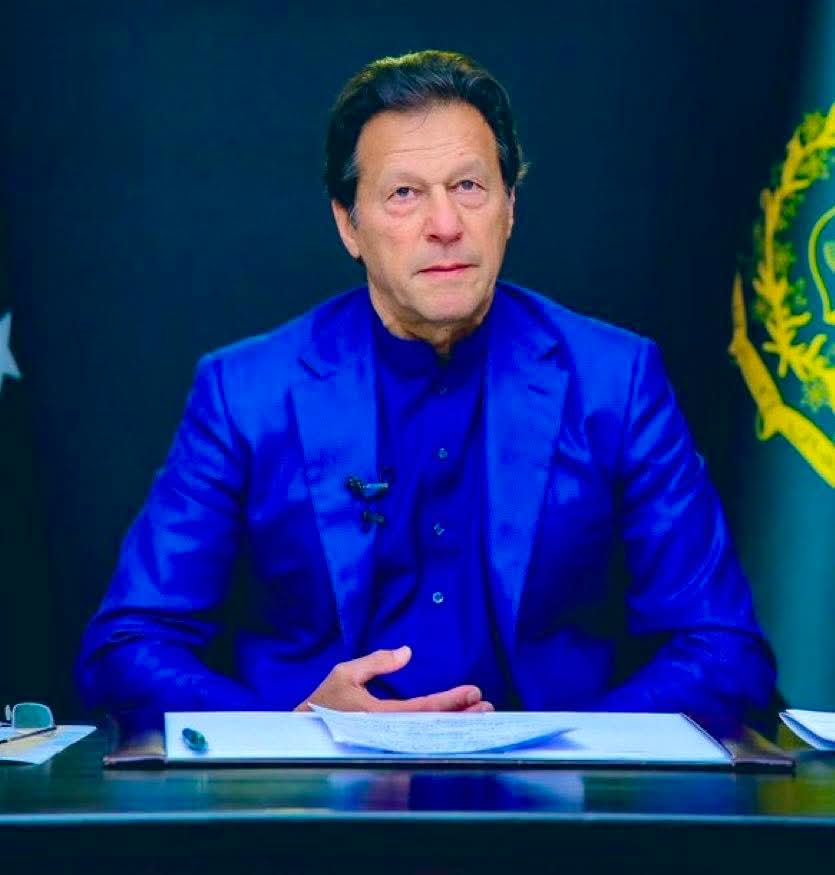
He attended Aitchison College in Lahore, one of the most prestigious schools in Pakistan, and later went to Royal Grammar School in England. His academic journey culminated at Keble College, Oxford, where he studied Philosophy, Politics, and Economics. It was during these years that his cricketing talent began to shine on international platforms.
🏏 Cricket Career: The Rise of a National Hero
Imran Khan made his debut for the Pakistan national cricket team in 1971. Over the next two decades, he became one of the finest all-rounders in the world. His aggressive fast bowling, sharp cricketing mind, and leadership skills earned him global respect.
Key Highlights:
Played 88 Test matches and 175 One Day Internationals (ODIs)
Took 362 Test wickets and scored over 7,000 international runs
Captained Pakistan to its first-ever Cricket World Cup victory in 1992
The 1992 World Cup win was a defining moment—not just for Imran, but for the entire nation. It united Pakistanis across divides and cemented his status as a national icon. After retiring from cricket, he turned his attention to philanthropy and public service.
🏥 Philanthropy: Building Hope
In memory of his mother, Imran Khan founded the Shaukat Khanum Memorial Cancer Hospital in Lahore, which opened in 1994. It was the first charitable cancer hospital in Pakistan, offering free treatment to thousands of patients. He later established Namal University in Mianwali to provide quality education to underprivileged students.
These projects showcased his commitment to social welfare and laid the foundation for his political ideology.
🏛️ Political Career: The Birth of PTI
In 1996, Imran Khan launched his political party, Pakistan Tehreek-e-Insaf (PTI), with a vision to fight corruption, promote justice, and empower the common citizen. The early years were tough—PTI struggled to win seats and was often dismissed as a one-man show.
But Imran never gave up. His message resonated with the youth, the middle class, and those disillusioned by traditional politics. After years of perseverance, PTI gained momentum and eventually won the 2018 general elections, making Imran Khan the 22nd Prime Minister of Pakistan.
🌟 Achievements as Prime Minister (2018–2022)
Imran Khan’s tenure as Prime Minister was marked by bold reforms, ambitious programs, and a focus on self-reliance. While his government faced economic challenges, it also introduced several groundbreaking initiatives.
Major Programs and Reforms:
Ehsaas Program: Pakistan’s largest welfare initiative, offering financial aid, food support, and education to millions of low-income families.
Kamyab Jawan Program: Empowered youth through skill development and interest-free loans.
Roshan Digital Account: Enabled overseas Pakistanis to invest and manage finances in Pakistan easily.
Ten Billion Tree Tsunami: A massive reforestation campaign to combat climate change.
Sehat Insaf Card: Provided free healthcare to families across Punjab and Khyber Pakhtunkhwa.
Naya Pakistan Housing Scheme: Aimed to build affordable homes for low-income citizens.
Smart Lockdowns: Pakistan’s COVID-19 response was praised globally for balancing health and economy.
Imran Khan also emphasized foreign policy independence, strengthening ties with China, Turkey, and Central Asian countries, while maintaining a cautious stance with Western powers.
💔 Personal Life and Relationships
Imran Khan’s personal life has always been under public scrutiny. His marriages, divorces, and spiritual journey have fascinated both supporters and critics.
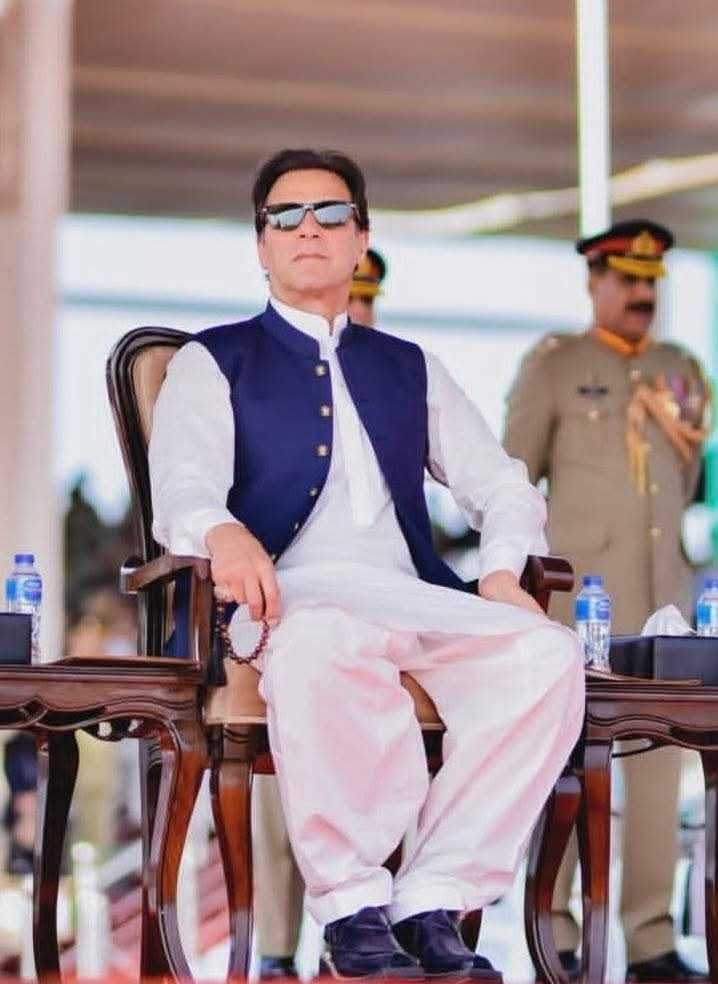
Marriages:
Jemima Goldsmith (1995–2004): A British heiress and journalist. Their marriage was admired but ultimately ended due to cultural differences and Jemima’s struggle with political life in Pakistan. They have two sons, Sulaiman Isa and Qasim Khan, who live in the UK.
Reham Khan (2014–2015): A British-Pakistani journalist. Their marriage lasted less than a year, ending amid media pressure and personality clashes. Reham later published a controversial book about their relationship.
Bushra Bibi (2018–present): Imran’s current wife, a spiritual advisor and Sufi scholar. Known for her modesty and influence, Bushra has played a quiet but significant role in Imran’s personal and political life.
Imran’s lifestyle is simple and spiritual. He avoids lavish displays and often speaks about inner peace, faith, and humility.
⚖️ Legal Challenges and Imprisonment
After being ousted from office in April 2022 through a no-confidence vote, Imran Khan faced a wave of legal cases. His critics accused him of misusing power, while his supporters claimed political victimization.
Ongoing Cases:
Toshakhana Case: Allegations of retaining and selling state gifts unlawfully.
Al-Qadir Trust Case: Accused of financial misconduct involving land and donations.
May 9 Riots: Following his arrest in 2023, violent protests erupted. Imran was accused of inciting unrest and faces serious charges.
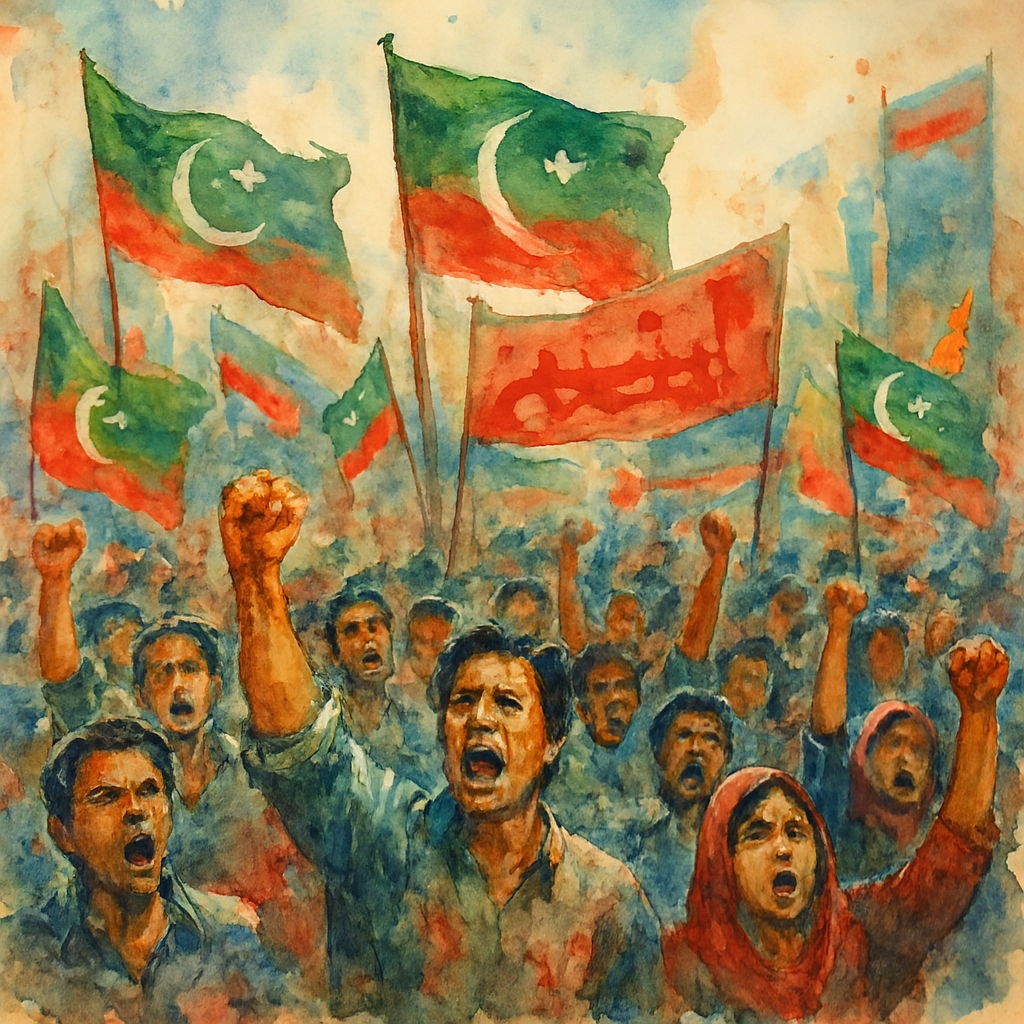
He is currently imprisoned in Adiala Jail, Rawalpindi. Despite being behind bars, Imran remains politically active through statements and legal appeals. His wife, Bushra Bibi, is also facing legal scrutiny in some cases.
📰 Latest News (August 12, 2025)
Imran Khan’s bail hearing in the May 9 case was postponed by the Supreme Court.
PTI continues nationwide protests demanding his release.
His sisters, Aleema and Noreen Khan, were detained during a peaceful protest outside Adiala Jail.
Imran has called for mass mobilization on August 14, Pakistan’s Independence Day, urging supporters to stand for justice and democracy.
🌍 Legacy and Influence
Imran Khan’s legacy is complex but powerful. He’s a man who transitioned from sports to politics, from fame to reform, and from privilege to public service. His critics point to economic instability and political polarization, but his supporters see him as a visionary leader who dared to challenge the status quo.
Whether in cricket whites or political rallies, Imran Khan has always stood tall—sometimes alone, often misunderstood, but never afraid.
💬 Final Thoughts
Imran Khan’s life is a story of transformation. He’s not just a former Prime Minister or a cricket legend—he’s a symbol of hope for millions. His journey teaches us that leadership is not about perfection, but about purpose, courage, and the will to serve.
As Pakistan continues to navigate its future, Imran Khan’s influence remains undeniable. Whether behind bars or on the streets, his voice echoes in the hearts of those who believe in a better tomorrow